
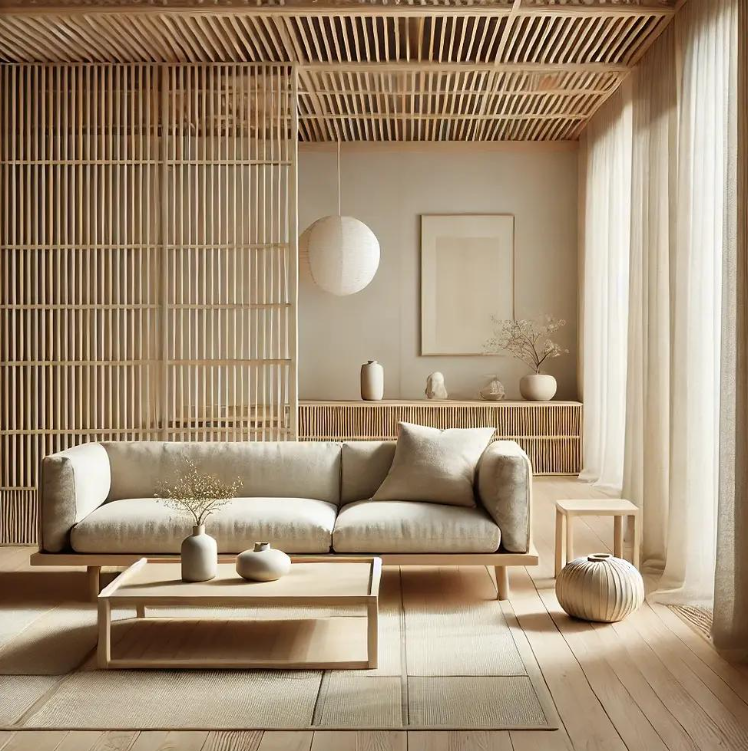
Japandi Style Explained: The Perfect Blend of Japanese and Scandinavian Design
Some interior styles are all about making a statement, while others focus on creating a space that feels calm, balanced, and inviting. Japandi is a beautiful combination of both simplicity and warmth. By bringing together the timeless elegance of Japanese interiors and the cozy functionality of Scandinavian design, Japandi creates a home that feels peaceful, natural, and effortlessly stylish.
But what exactly is Japandi style, where does it come from, and how can you bring this aesthetic into your own home?
What Is Japandi Style?
Japandi is an interior design style that combines Japanese and Scandinavian design principles. Although these two styles developed in different parts of the world, they share a surprising number of similarities. Both value simplicity, natural materials, functional furniture, and a connection to nature.
Japanese interiors often emphasize balance, craftsmanship, and the beauty of imperfection. Scandinavian design, on the other hand, is known for its light color palettes, practical solutions, and emphasis on creating a warm and comfortable home.
Japandi brings these qualities together to create interiors that feel minimal without being cold and cozy without feeling cluttered. Rather than filling a room with decorative objects, the focus is on choosing pieces that are meaningful, functional, and beautiful in their own right.
The result is a timeless aesthetic that encourages a slower, more intentional approach to decorating.
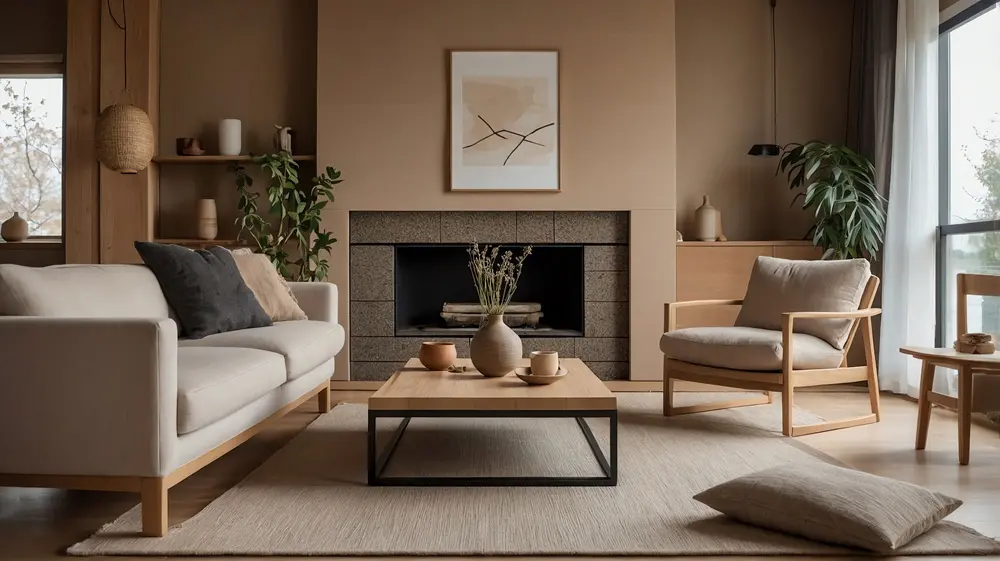
The Origins of Japandi
Japandi is a relatively modern name for a design approach rooted in much older traditions. Its popularity has grown in recent years, but the connection between Japanese and Scandinavian aesthetics goes back much further.
During the nineteenth century, Japan began opening up to international trade after a long period of relative isolation. Japanese art, craftsmanship, and design soon attracted considerable attention in Europe. This influence became particularly visible in the Japonisme movement, which inspired artists and designers to explore Japanese simplicity, asymmetry, and appreciation for natural forms.
Around the same period, Scandinavian design developed its own emphasis on functional objects, natural materials, craftsmanship, and everyday usability. These principles later became central to modern Scandinavian interiors.
Although the two traditions have different cultural histories, they share an appreciation for thoughtful design and a sense of harmony between people and their surroundings.
Today, Japandi brings these complementary ideas together. It is not simply a mixture of Japanese furniture and Scandinavian accessories, but a design philosophy centered on simplicity, balance, and intentional living.
The Main Characteristics of Japandi Interior Design
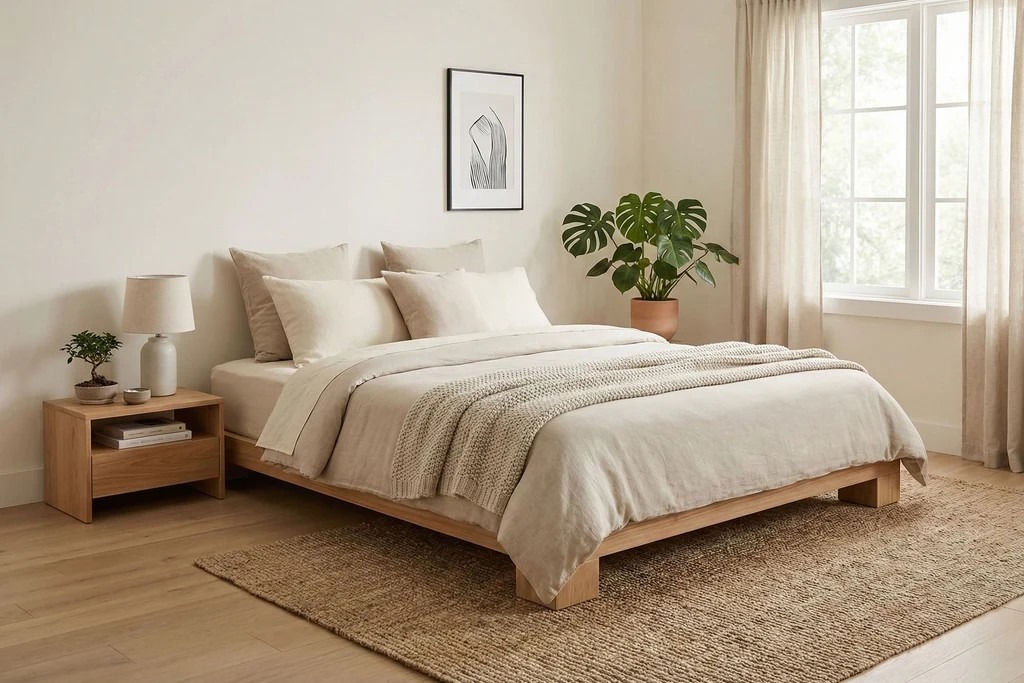
1. A Calm and Neutral Color Palette
One of the most recognizable features of Japandi interiors is the use of natural, understated colors. Instead of bold contrasts or bright shades, the palette usually consists of warm whites, beige, cream, taupe, soft gray, and earthy brown.
Japanese-inspired interiors may introduce deeper tones, such as charcoal, black, or muted green, to create depth and contrast. Scandinavian influences often bring lighter shades into the space, helping rooms feel open and airy.
These colors work beautifully together because they reflect the tones found in nature.
To create a Japandi-inspired color palette, start with a neutral base for your walls and larger pieces of furniture. You can then introduce subtle variations through textiles, wooden surfaces, ceramics, and natural decorative elements.
The key is to keep the overall palette cohesive rather than using too many competing colors.
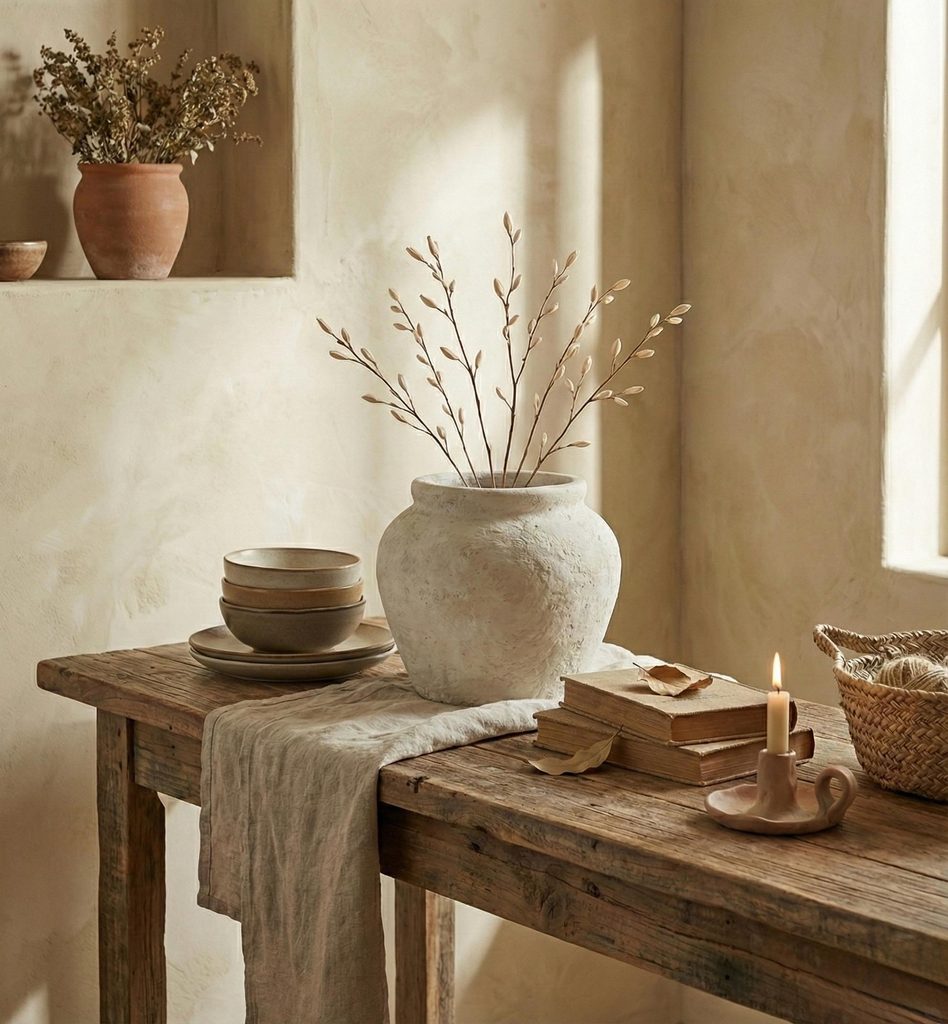
2. Natural Materials and Textures
Natural materials play an essential role in Japandi design. Wood, linen, cotton, stone, bamboo, rattan, and ceramics help create an environment that feels grounded and connected to nature.
Light oak and ash are often associated with Scandinavian interiors, while darker woods and more expressive natural textures can introduce a Japanese influence. Combining different wood tones can work beautifully when the overall palette remains harmonious.
Texture is equally important. A linen curtain, a woven rug, a handmade ceramic vase, or a wooden coffee table can add character without overwhelming the room.
Rather than relying on excessive decoration, Japandi uses the natural beauty of materials to create visual interest. Small imperfections, irregular shapes, and handmade finishes are often appreciated because they give a space a more authentic and personal feel.
3. Minimalism with Warmth
Minimalism is an important part of Japandi style, but that does not mean a home should feel empty or impersonal.
The aim is to create a space where every object has a purpose, whether practical or emotional. Furniture is chosen carefully, surfaces are kept relatively clear, and decorative items are used with intention.
Scandinavian design contributes a sense of comfort and livability, while Japanese aesthetics encourage restraint and appreciation for simplicity.
Instead of filling every corner, allow furniture and decorative pieces enough room to stand out. A single sculptural vase, a carefully chosen piece of artwork, or a beautifully crafted wooden chair can have more impact than a collection of unrelated accessories.
Japandi interiors feel inviting because the simplicity is balanced with warmth, natural textures, and thoughtful details.
4. Functional and Timeless Furniture
In Japandi interiors, furniture should be both beautiful and practical. Clean lines, simple silhouettes, quality materials, and comfortable proportions are more important than following short-lived trends.
Low-profile furniture is often used to create a grounded, relaxed atmosphere, reflecting an influence found in many Japanese interiors. Scandinavian furniture contributes practical storage, ergonomic design, and everyday comfort.
Look for pieces with understated shapes and natural finishes. A solid wooden dining table, a simple upholstered sofa, or a low bedside table can become a lasting part of your home.
It is also worth paying attention to the space around each piece. A well-designed room does not need to be filled with furniture. Leaving enough room to move comfortably helps create the calm, uncluttered feeling associated with Japandi style.
5. A Connection to Nature
Both Japanese and Scandinavian design traditions place importance on the relationship between the home and the natural world.
Japandi interiors often reflect this through natural materials, organic shapes, soft daylight, and simple plants or branches. Large windows and sheer curtains can help maximize natural light, while wood and stone introduce earthy qualities.
You do not need a large collection of plants to create this feeling. A single leafy plant, a branch in a ceramic vase, or a view of the outdoors can be enough to bring a sense of nature into a room.
The goal is to create a gentle connection with the outside world and make the home feel like a place to slow down and recharge.
6. Imperfection and Handmade Details
An important Japanese influence in Japandi design is wabi-sabi, a traditional aesthetic concept associated with the appreciation of imperfection, impermanence, and the beauty of things that are not perfectly polished.
In an interior, this can be expressed through handmade pottery, irregular ceramic shapes, weathered wood, natural stone, and objects that show the character of their materials.
Rather than aiming for a perfectly coordinated showroom appearance, Japandi allows room for subtle variation and individuality.
A handmade bowl does not need to be perfectly symmetrical to be beautiful. A wooden surface can show its grain, and a linen fabric can have a naturally relaxed texture.
These details help a space feel authentic rather than overly styled.
How to Create a Japandi-Inspired Home
You do not need to redesign your entire home to introduce Japandi style. A few thoughtful changes can help you create a calmer and more cohesive interior.
Start by simplifying your space. Look at the objects and furniture in each room and consider what you genuinely need or enjoy. Removing unnecessary clutter can make the room feel more open and peaceful.
Choose a cohesive color palette. Begin with two or three neutral shades and introduce a few earthy accents. Keeping the colors consistent across furniture, textiles, and accessories creates a sense of harmony.
Introduce natural materials. Wooden furniture, linen cushions, cotton throws, and ceramic accessories can add warmth and texture without making the room feel busy.
Focus on quality rather than quantity. Instead of adding lots of decorative objects, choose a few pieces that have an interesting shape, useful function, or personal meaning.
Make room for natural light. Keep window areas relatively clear and use soft, light-filtering curtains where appropriate. Natural light can emphasize the textures and subtle colors that make Japandi interiors so appealing.
Balance simplicity with comfort. Minimalism should not come at the expense of a welcoming atmosphere. Soft textiles, comfortable seating, warm lighting, and personal details help make a Japandi-inspired home feel lived in.
Japandi vs. Scandinavian Design: What Is the Difference?
Japandi and Scandinavian interiors share many characteristics, which is why they are often confused. Both use natural materials, neutral colors, functional furniture, and relatively uncluttered spaces.
The difference lies mainly in their emphasis and overall atmosphere.
Scandinavian design often prioritizes lightness, practicality, and comfort. It commonly uses pale woods, brighter neutral palettes, and soft textiles to create an inviting environment. The Danish concept of hygge, associated with coziness and well-being, is often connected with this style.
Japandi incorporates these qualities but adds a stronger emphasis on restraint, asymmetry, craftsmanship, and the beauty of natural imperfections. It may use darker wood, deeper accent colors, lower furniture, and more sculptural decorative objects.
Neither style is better than the other. Scandinavian design may appeal to those who prefer a light and airy home, while Japandi is ideal for people who enjoy a more understated, grounded aesthetic.
Of course, there is plenty of overlap, and the two styles can be combined in ways that reflect your own preferences.
Why Japandi Style Continues to Appeal
In a world filled with constant stimulation and fast-changing trends, Japandi offers a refreshing alternative. Its focus on simplicity, functionality, and natural materials encourages people to think more carefully about how their homes look and feel.
Instead of constantly replacing furniture or adding new decorations, the style encourages thoughtful choices that can remain beautiful for years.
It also offers flexibility. Japandi can work in a small apartment, a spacious family home, or a single room that needs a calmer atmosphere. The principles can be adapted to different budgets, spaces, and personal tastes.
Most importantly, Japandi is not about achieving a perfectly styled interior. It is about creating a home that feels balanced, comfortable, and meaningful to the people who live in it.
Final Thoughts
Japandi style brings together two design traditions that share a deep appreciation for simplicity, craftsmanship, and the natural world. By combining Scandinavian warmth with Japanese restraint, it creates interiors that feel both refined and welcoming.
Through neutral colors, natural materials, functional furniture, and carefully chosen details, you can create a home that feels calm without being cold and minimal without losing its personality.
You do not need to follow every rule or completely change your interior to embrace Japandi. Start with what you already have, make thoughtful choices, and focus on creating a space that feels good to come home to.
After all, a beautiful home is not simply about how it looks. It is about how it makes you feel.